

European Inspired Wedding Venues in Philadelphia and Beyond
French gardens, English estates, Italian vineyards, and timeless architecture.
You don’t have to fly across the Atlantic to find a wedding venue that feels like Europe. Around Philadelphia, there are gardens inspired by France, English country estates, Greek architecture, Italian vineyards, and museums filled with centuries of European influence.
Philadelphia Museum of Art
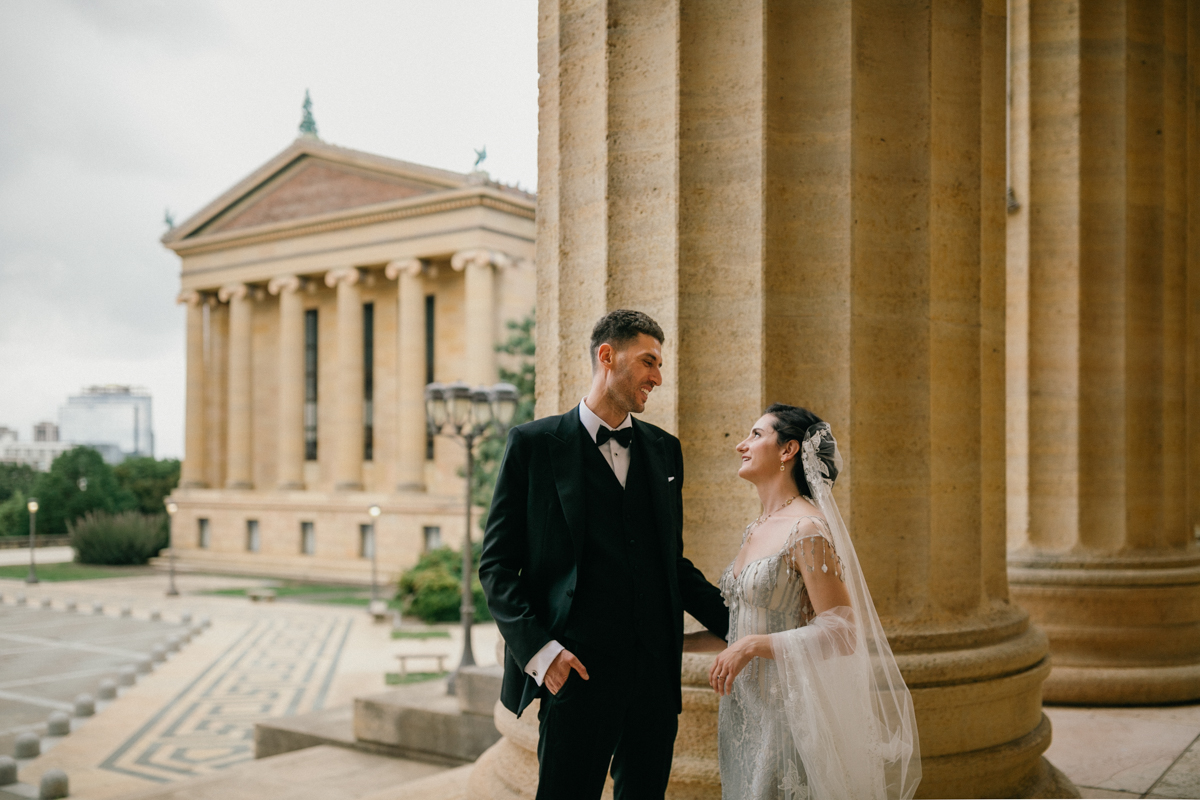
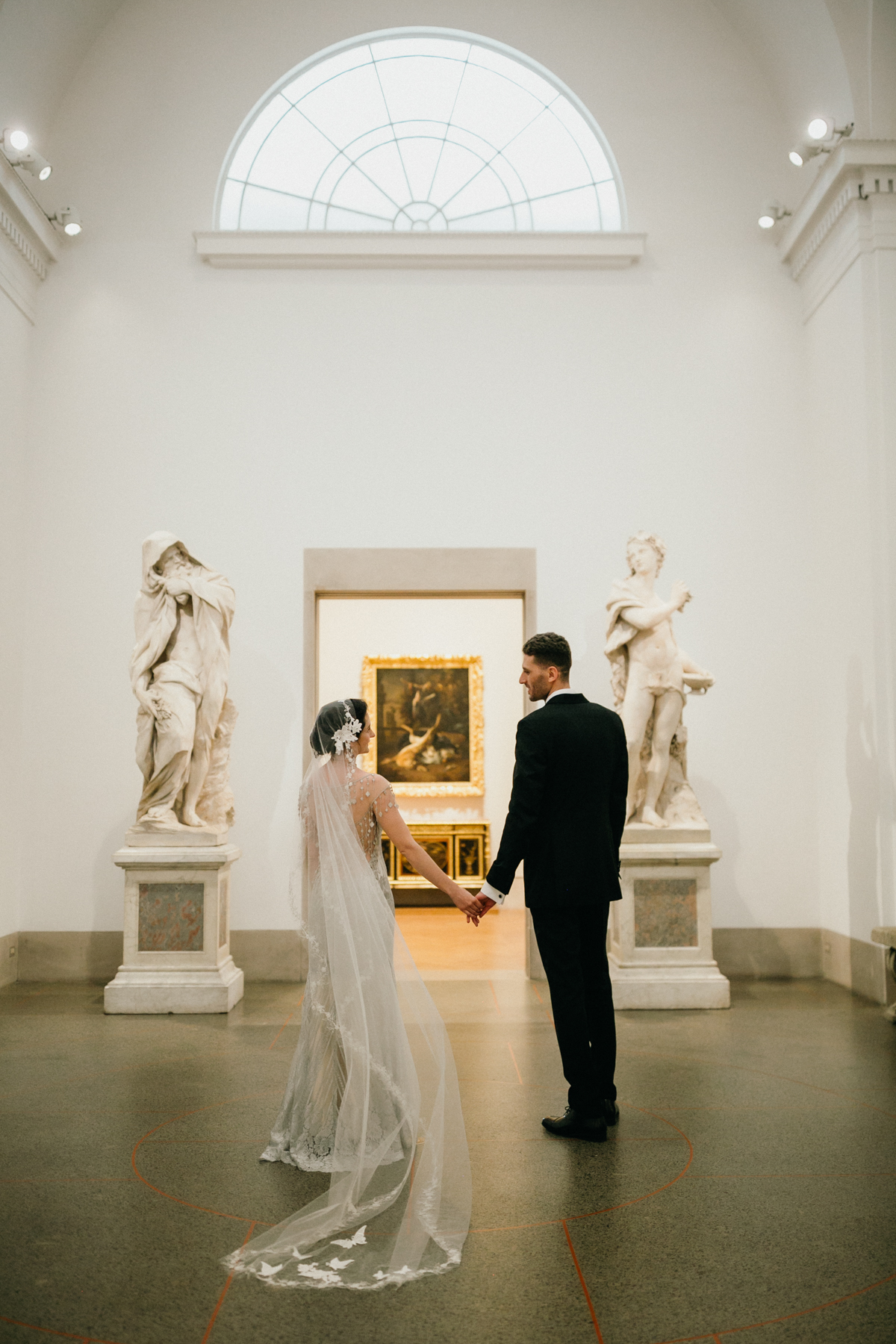
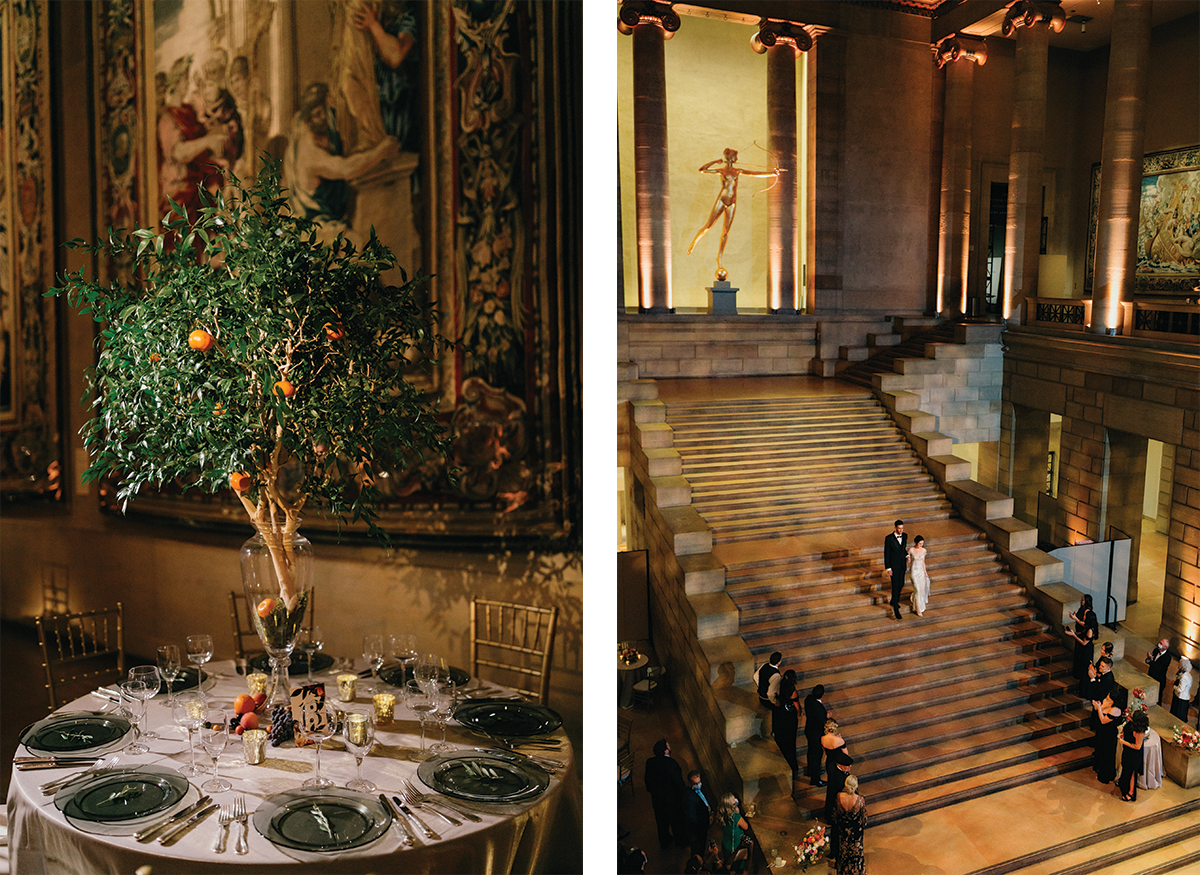
The Philadelphia Museum of Art pulls heavily from ancient Greek architecture, sitting at the top of the Parkway like a palace. It immediately sets a tone that feels tied to European history. Inside, it shifts even further. During cocktail hour and reception, guests can wander through galleries filled with European art from the late 1800s. Being surrounded by artists like Monet and Van Gogh adds something that goes beyond aesthetics. It changes how the entire space feels without needing to say much at all.
.
Check out more from Liz and Bilel’s European inspired wedding here!
.



.
Longwood Gardens
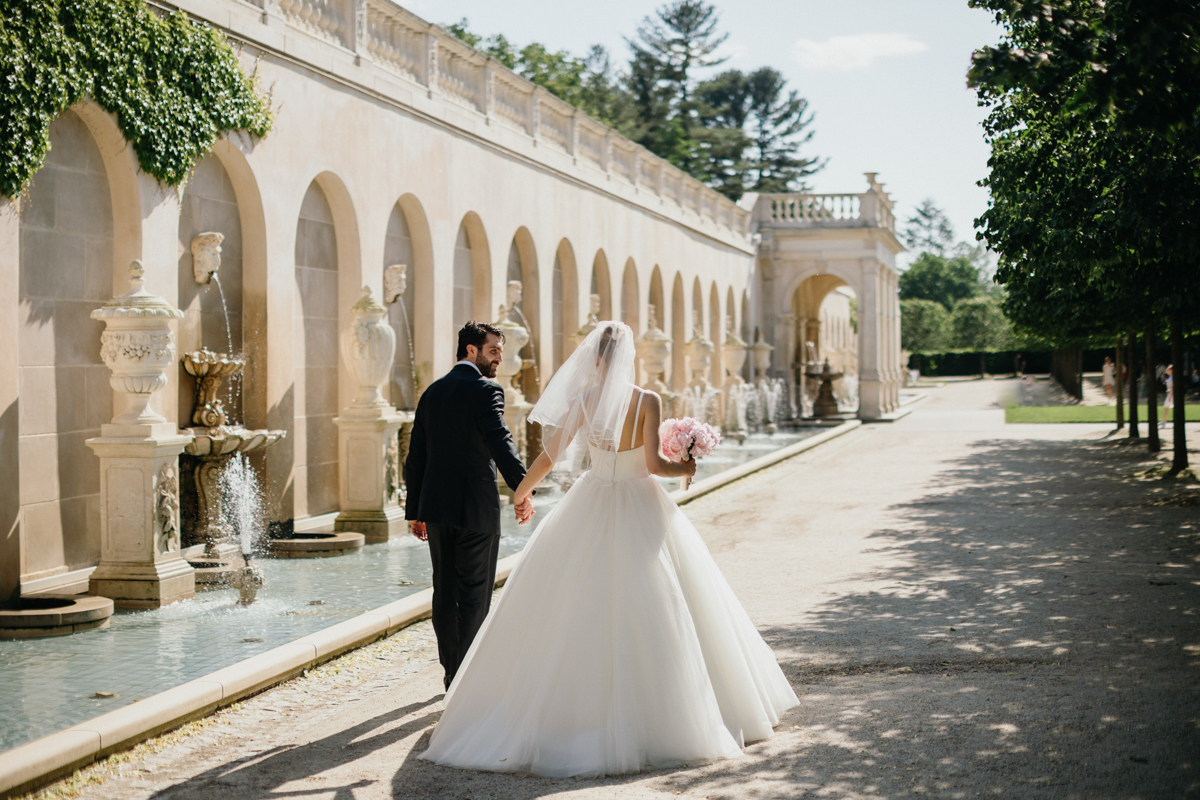
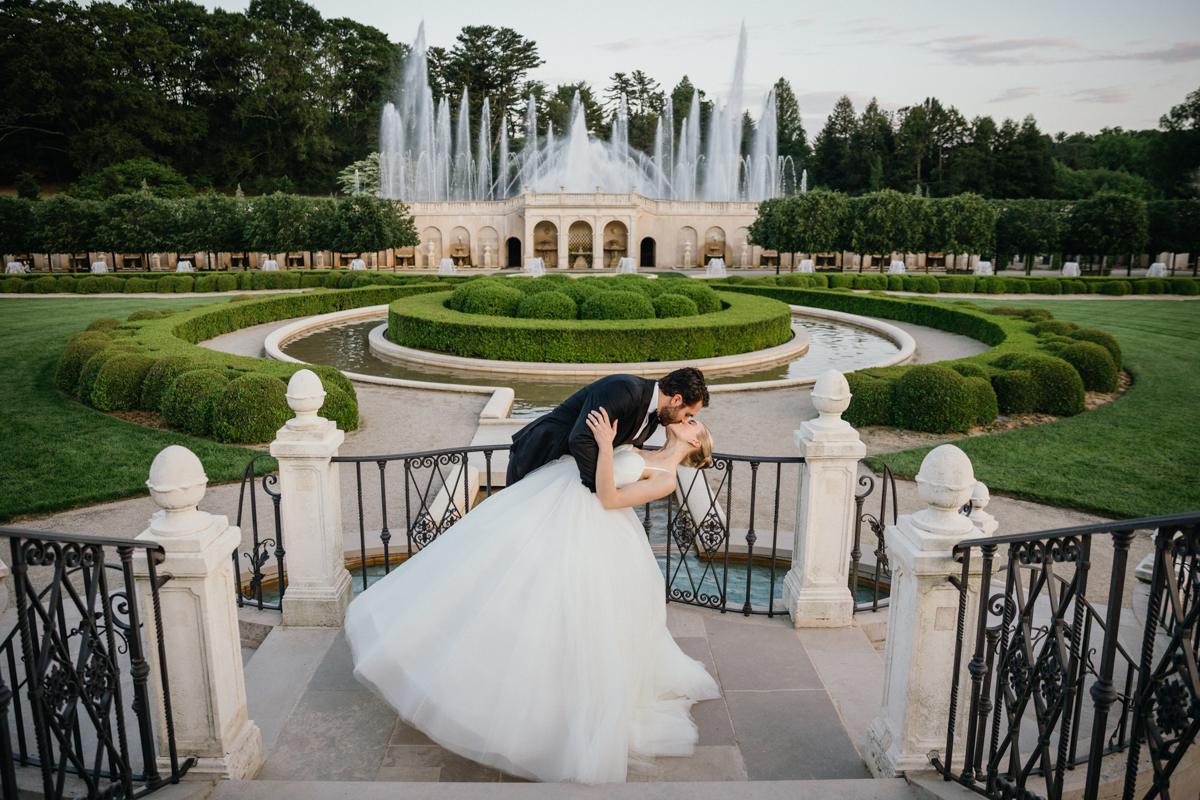
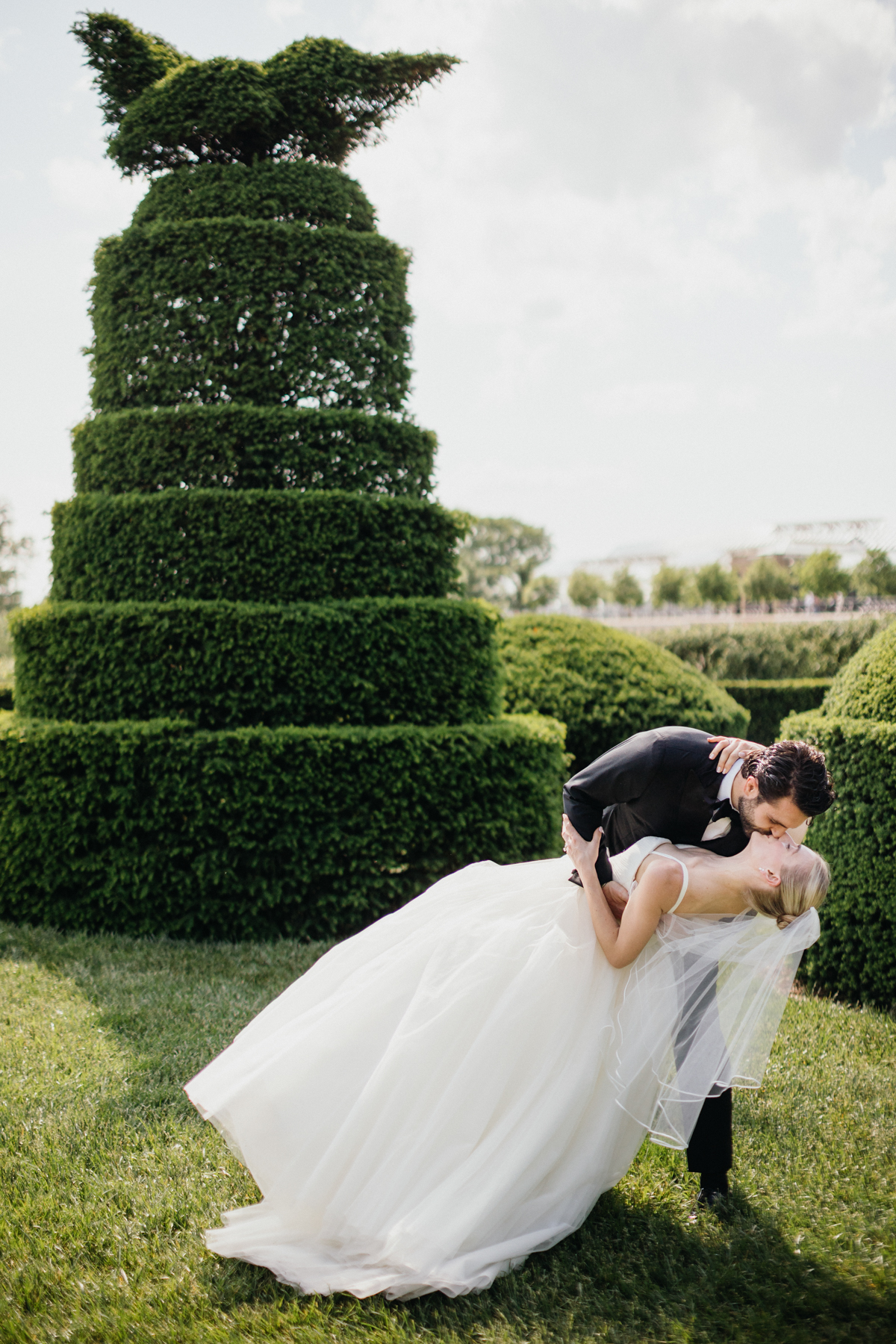
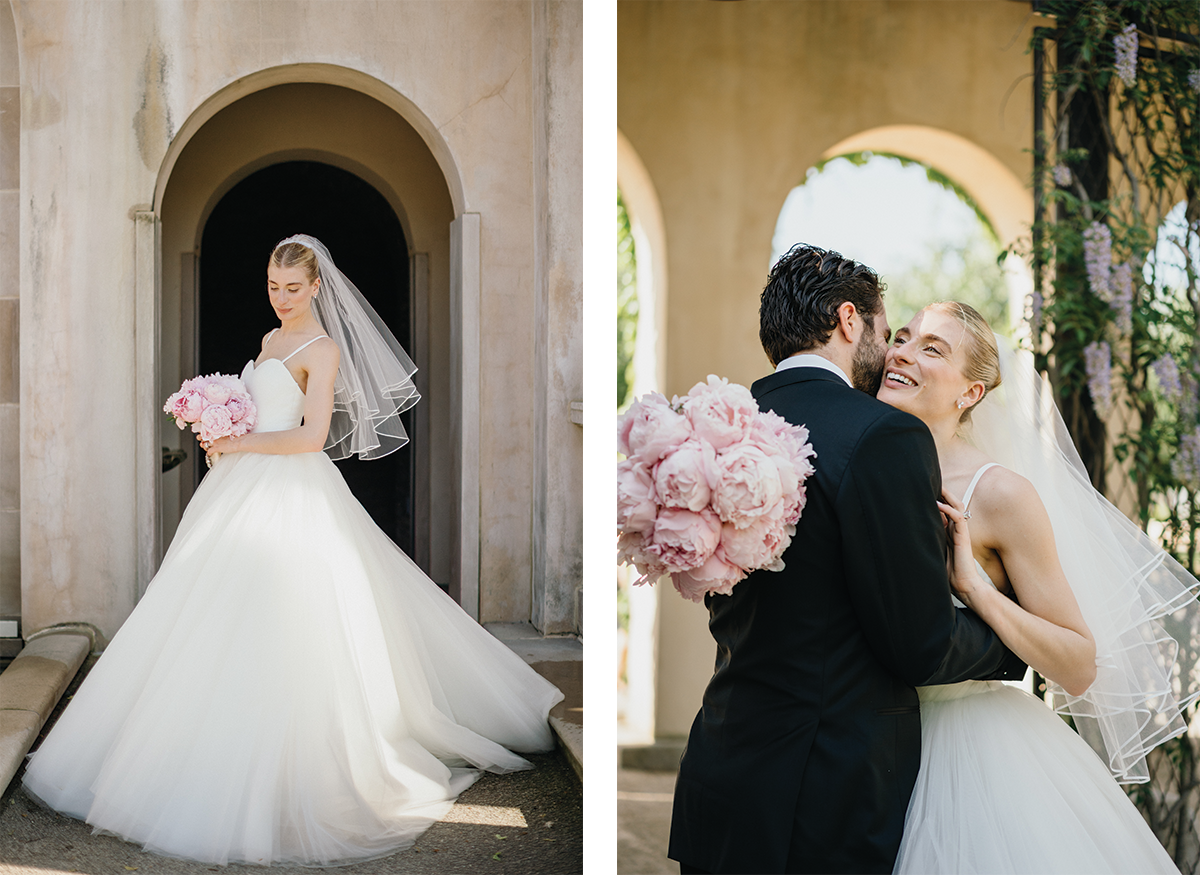
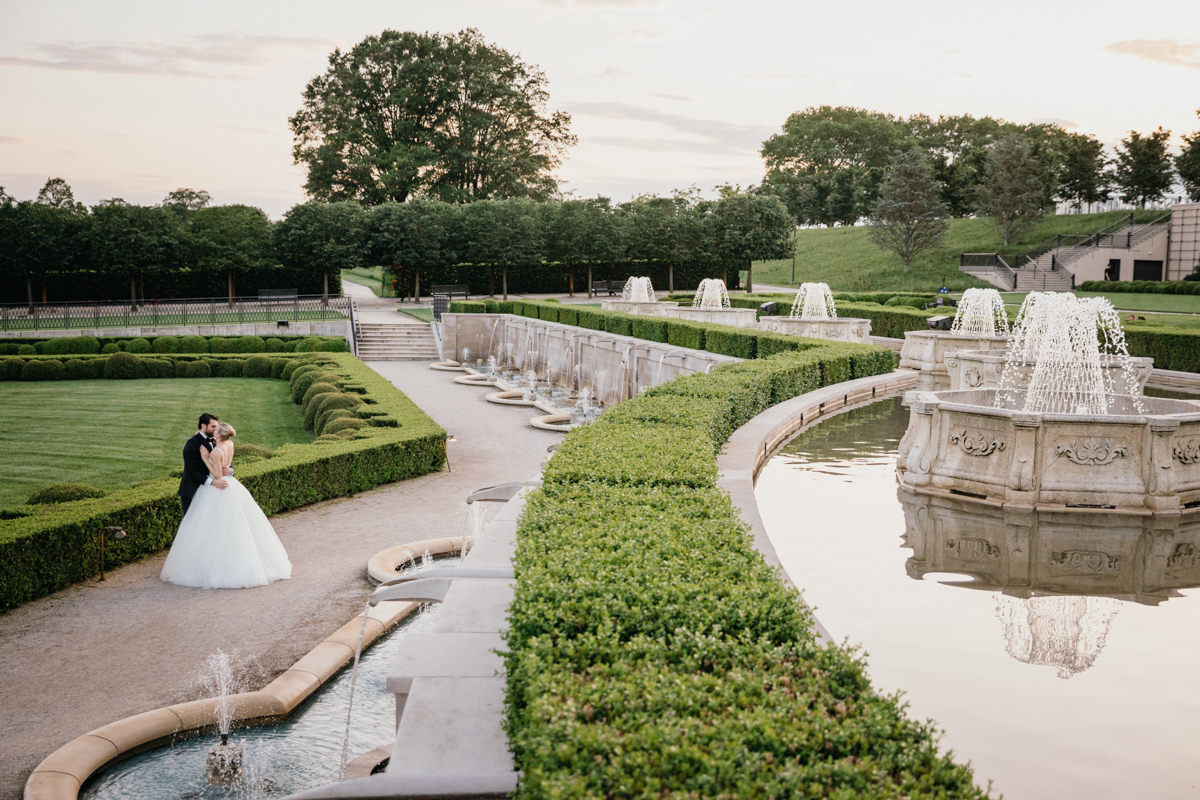
Longwood Gardens is probably Philadelphia’s most European wedding venue. Pierre du Pont, the man who established Longwood Gardens, drew heavily from European estates when shaping the property. Longwood Gardens leans strongly French, especially in the Main Fountain Garden. The layout is precise. Long sightlines, symmetrical greenery, and classic stone work. Beyond that, the gardens shift a little more west. An Italian Water Garden brings in a different rhythm, while the Roman Topiary Garden adds a more classical, sculpted feel.
.
To see the rest of Kate + MJ’s Longwood Garden wedding, click here!
.
.
Hotel Du Village
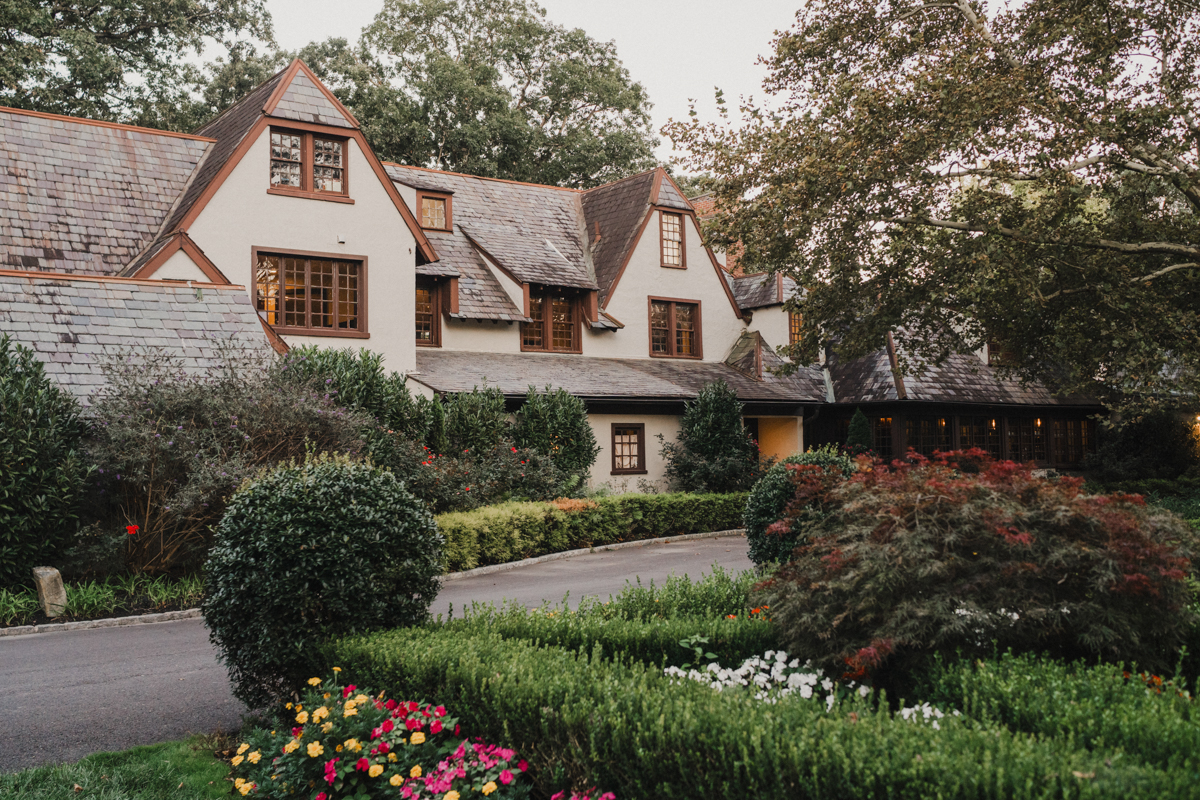
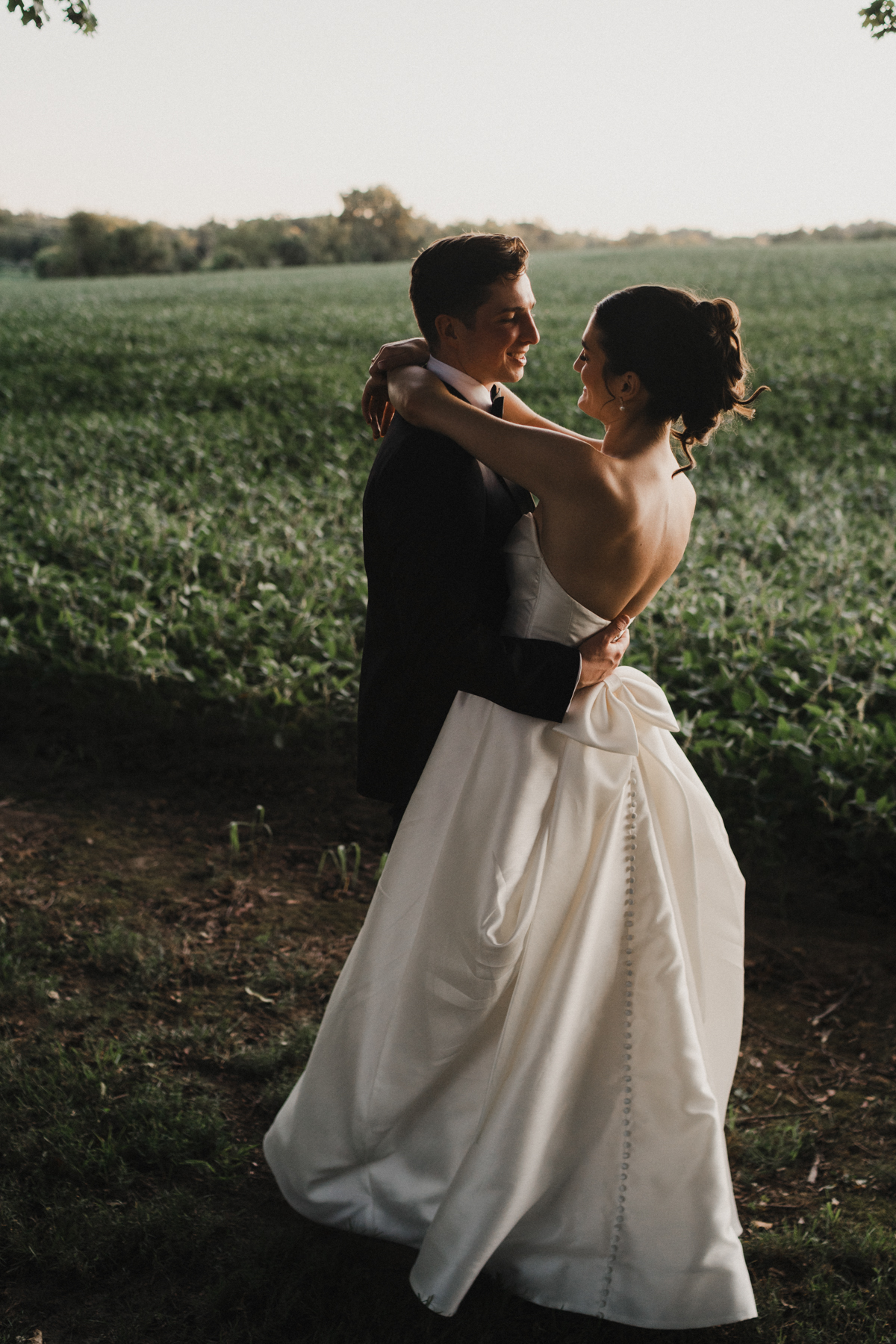
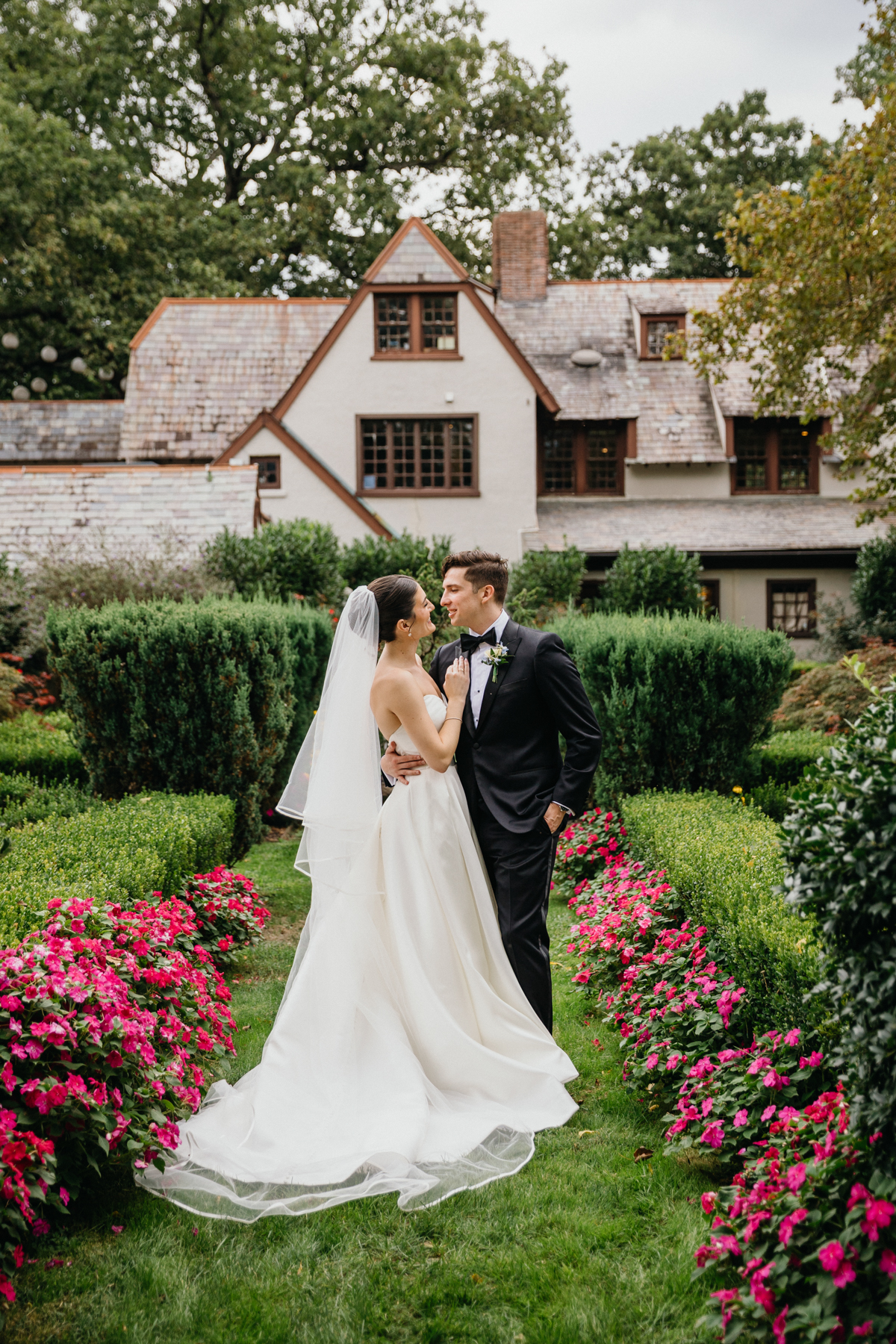
There’s a French chateau feel at Hotel Du Village that shows up in the details. Stone buildings, manicured rose gardens, and fields that stretch just far enough to feel a little removed from everything else. The space has a quiet rhythm to it. Nothing feels rushed. It’s easy to settle in and let the day unfold naturally, especially as the light softens across the property.
.
Check out more from Justina and Nick’s European inspired wedding here!
.

.
Parque Ridley Creek
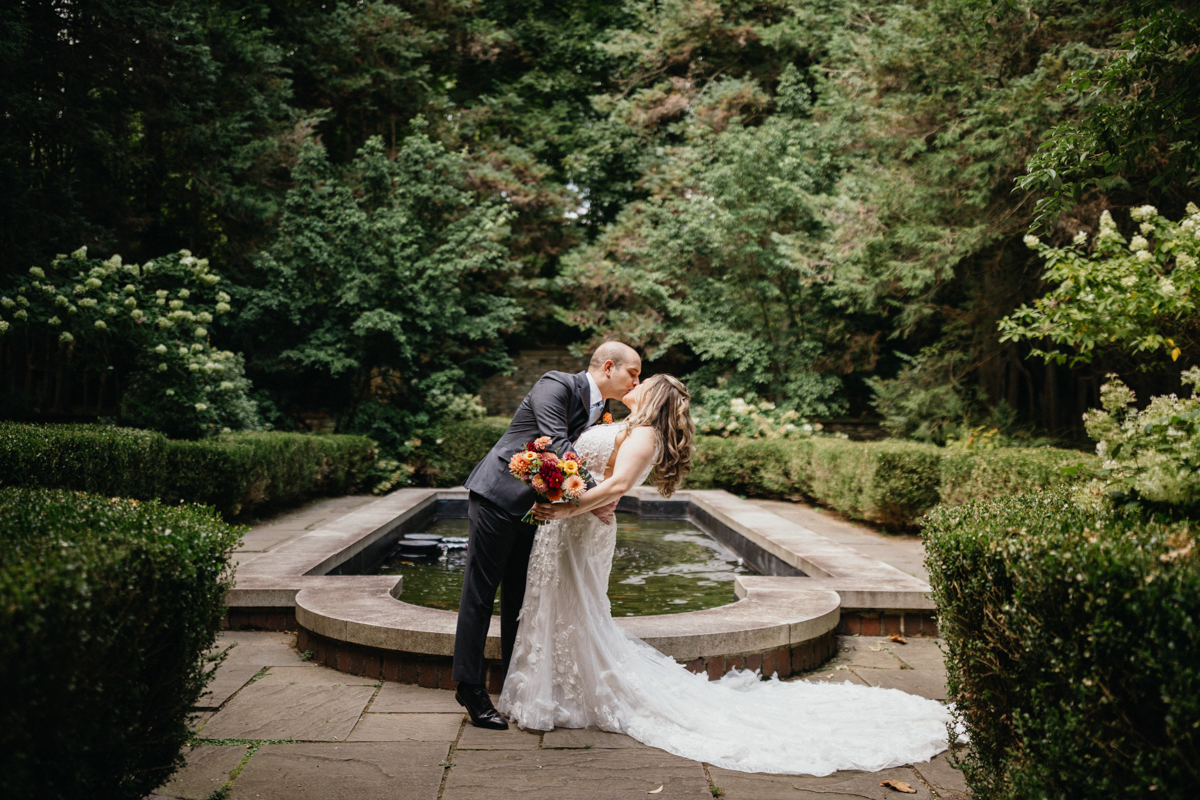
Parque Ridley Creek sits firmly in that English estate world. The Tudor-style mansion anchors the property, surrounded by gardens, stone walls, and winding paths. There’s a reflecting pond, open lawns, and tucked-away corners that give the space a sense of history. It feels established in a way that doesn’t need much added to it.
.



.
Winterthur Museum, Garden and Library
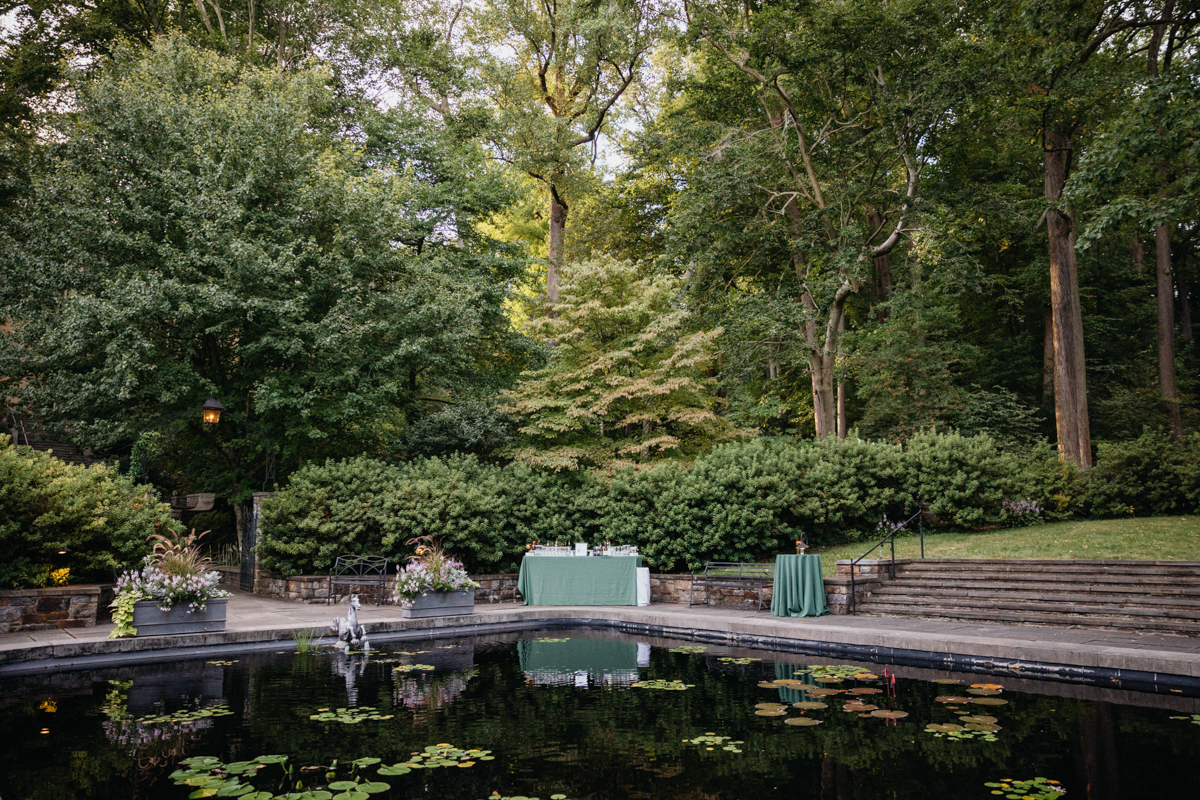
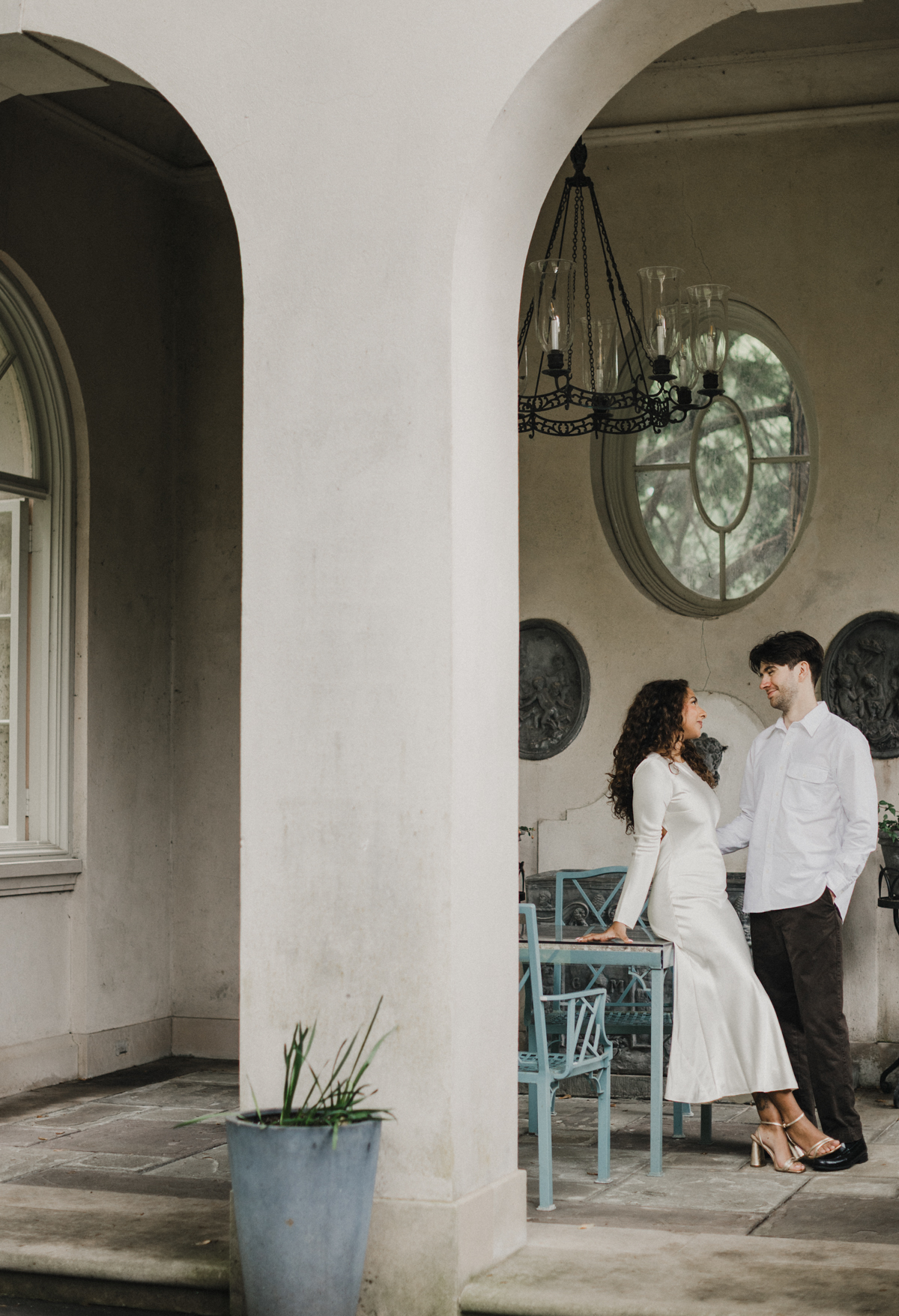
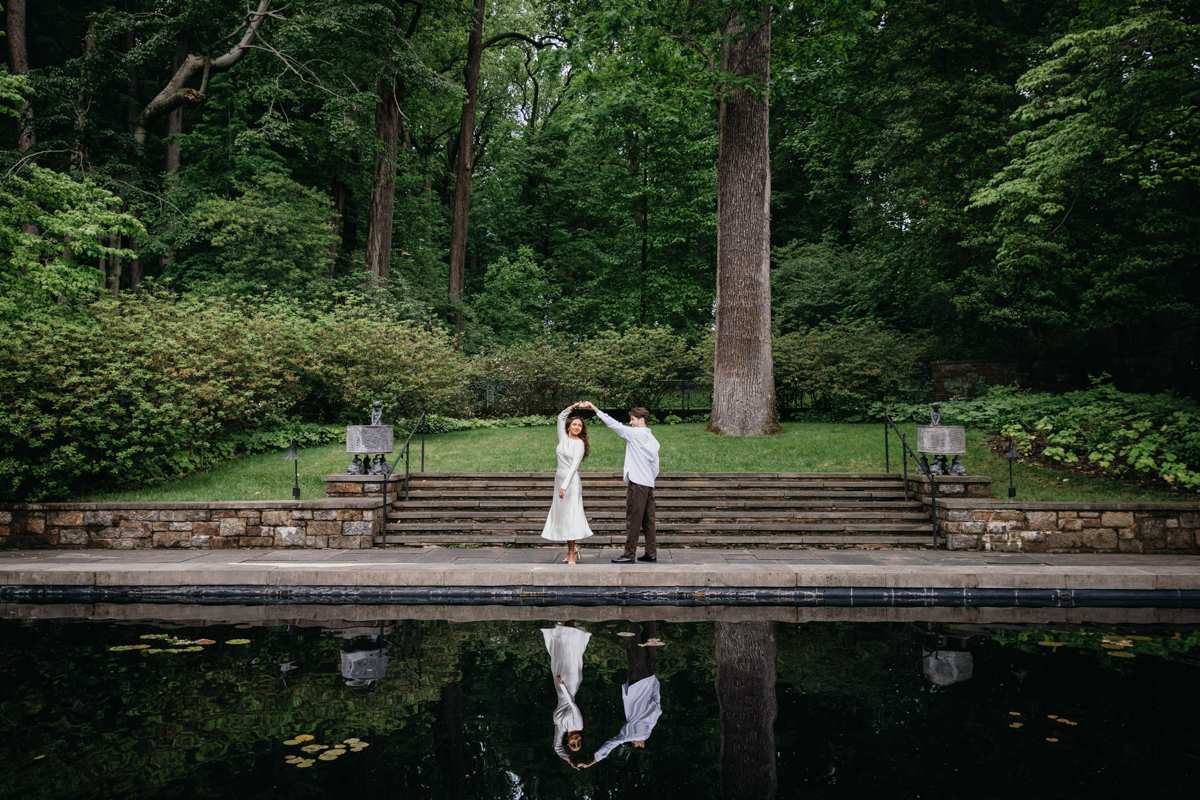
At Winterthur Museum, Garden and Library, the story starts with Henry Francis du Pont, an American horticulturist and collector who shaped the property into what it is today. While the museum holds American history, the grounds reflect years of studying European gardens. Du Pont traveled extensively before developing the landscape, and you can see that influence in how everything unfolds. Formal gardens sit closer to the house, then gradually give way to more natural areas.
.


.
Hotel du Pont
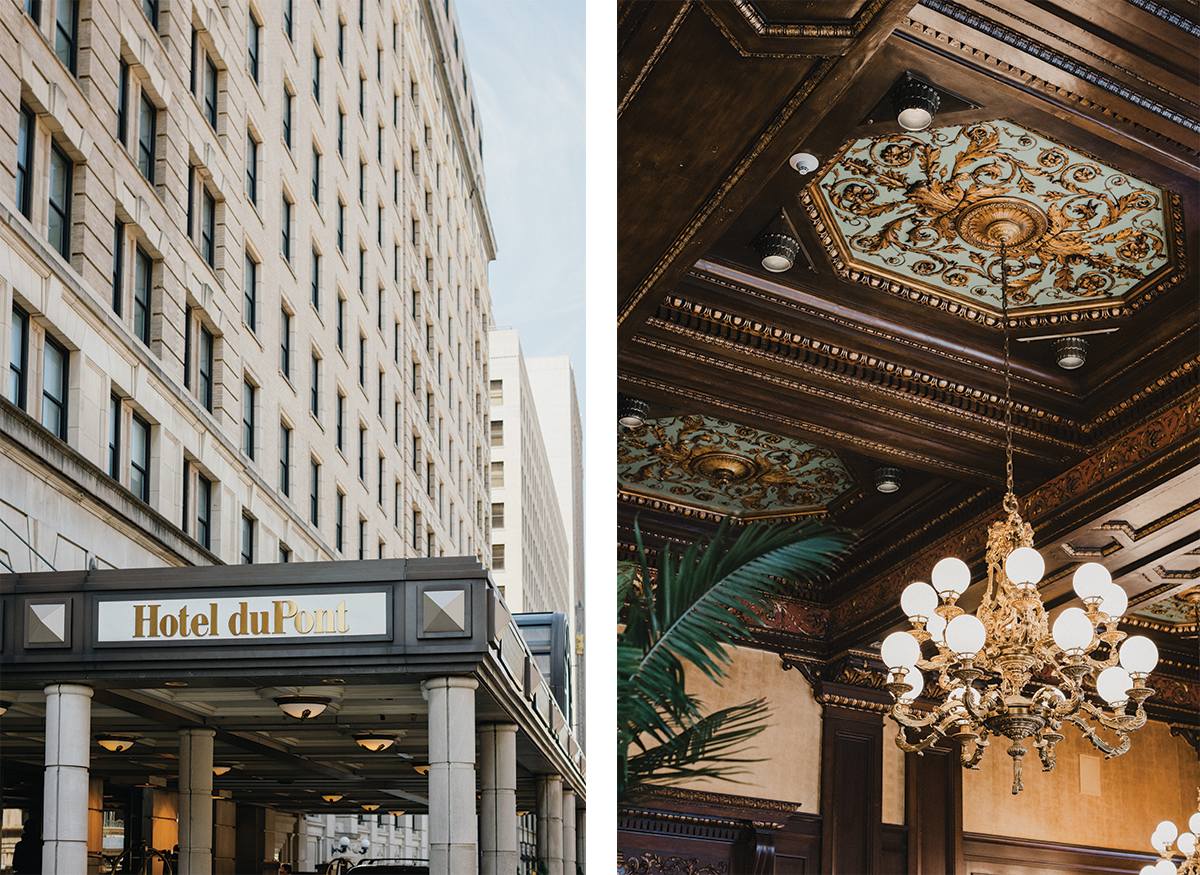
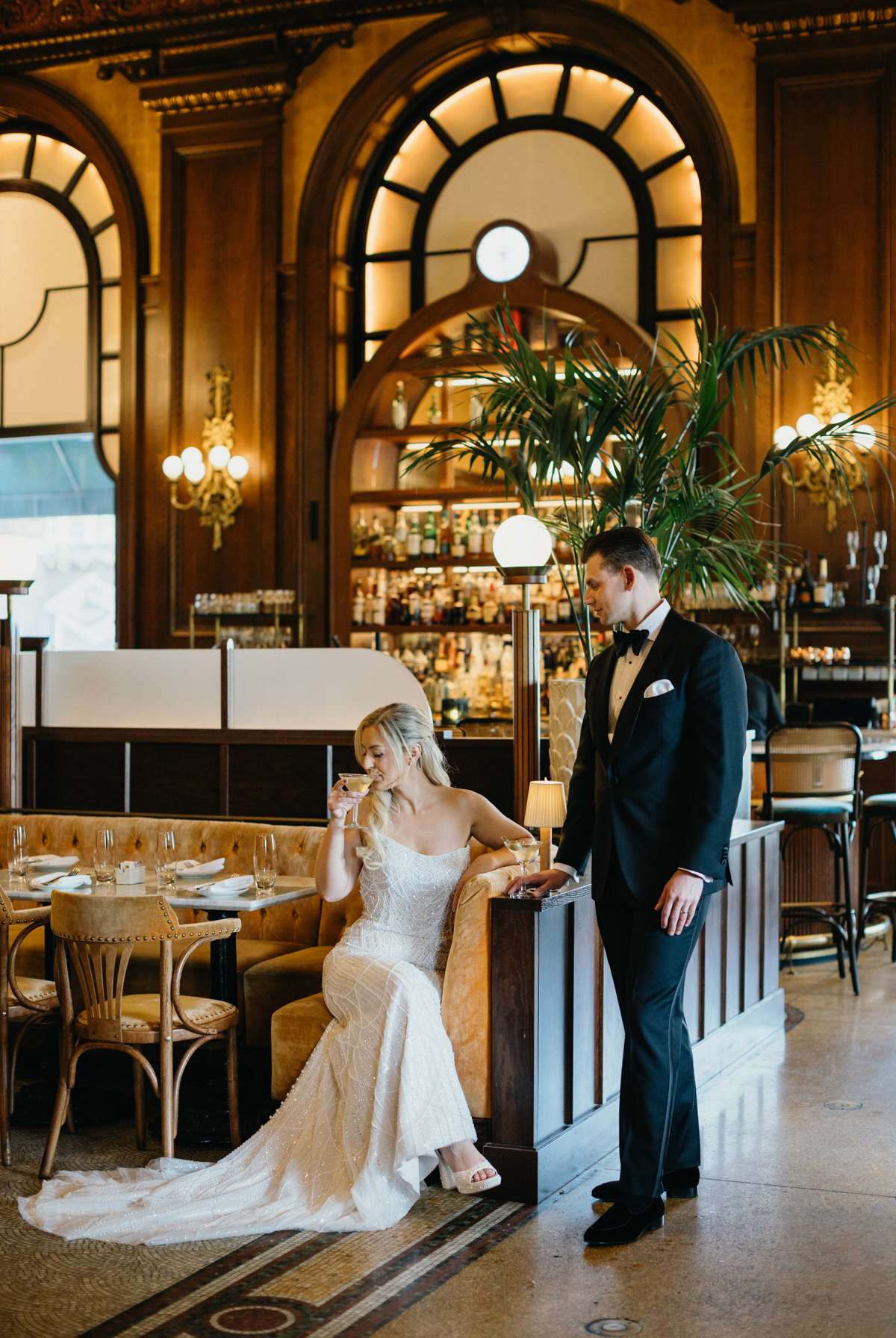
Walking into the Hotel du Pont feels a bit like walking into an old European hotel that has been beautifully cared for over the last century. The marble floors, sweeping staircase, crystal chandeliers, and ornate ceilings all give it that classic French Beaux Arts style. It has a richness to it that photographs incredibly well, especially if you’re drawn to historic architecture and elegant interiors.
.



.
Rodin Museum
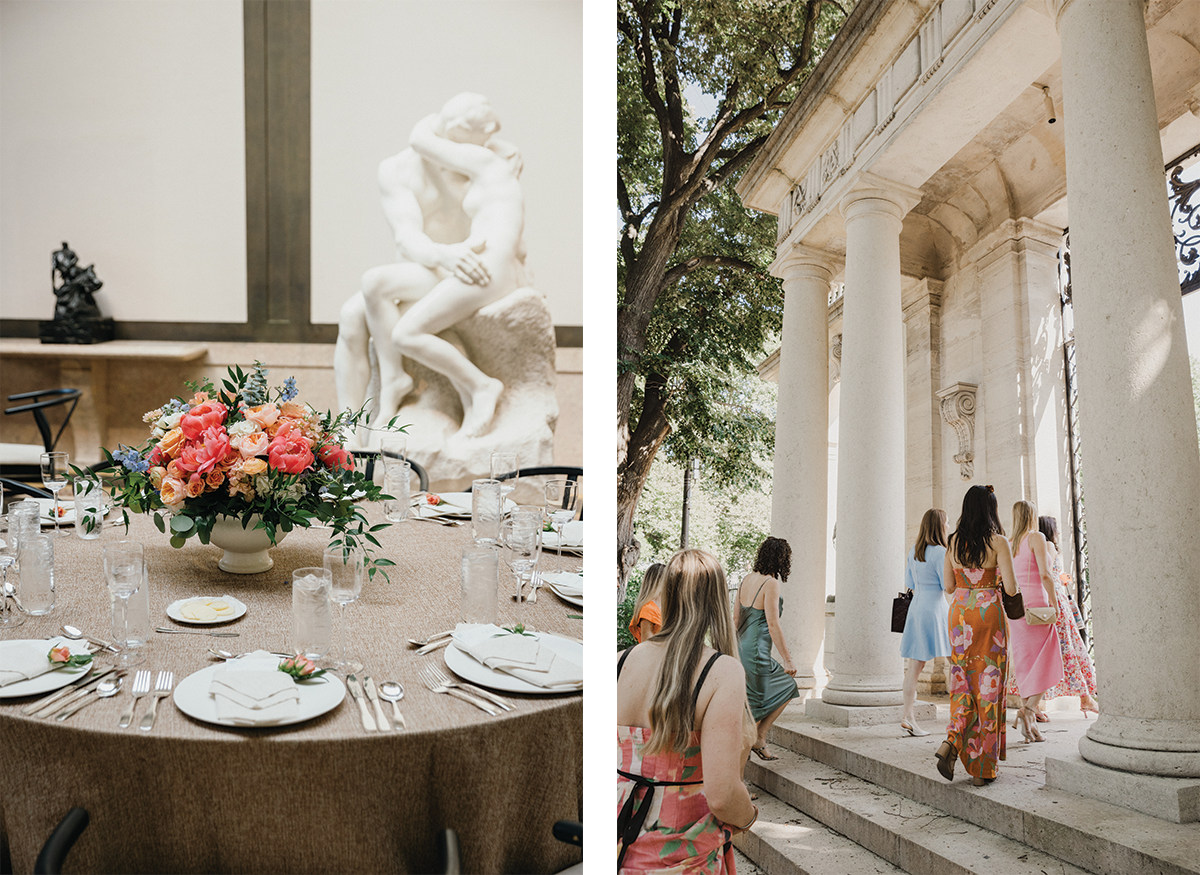
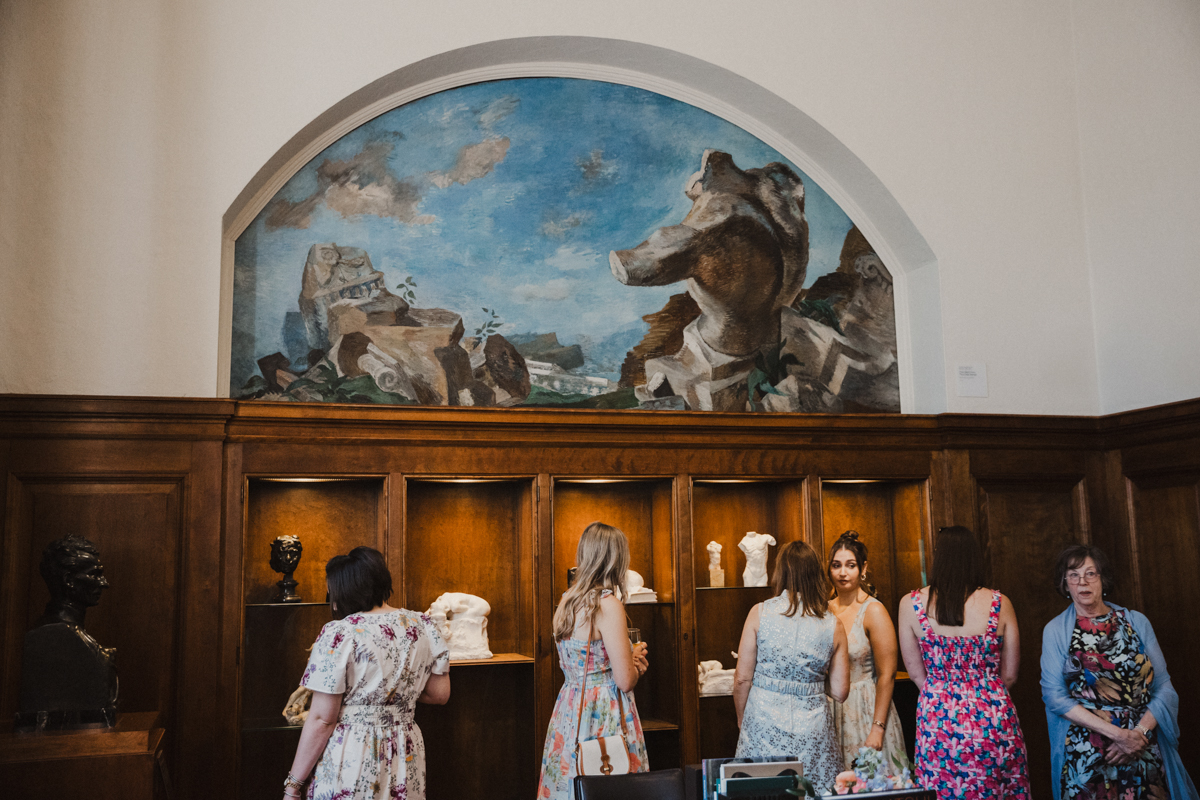
The Rodin Museum has a direct link to Paris. Designed by a French architect and dedicated to Auguste Rodin, it holds one of the largest collections of his work outside of France. The sculptures, garden, and lily pad-filled reflecting pool come together in a way that feels like a European Impressionist painting.
.



.
Fairmount Water Works
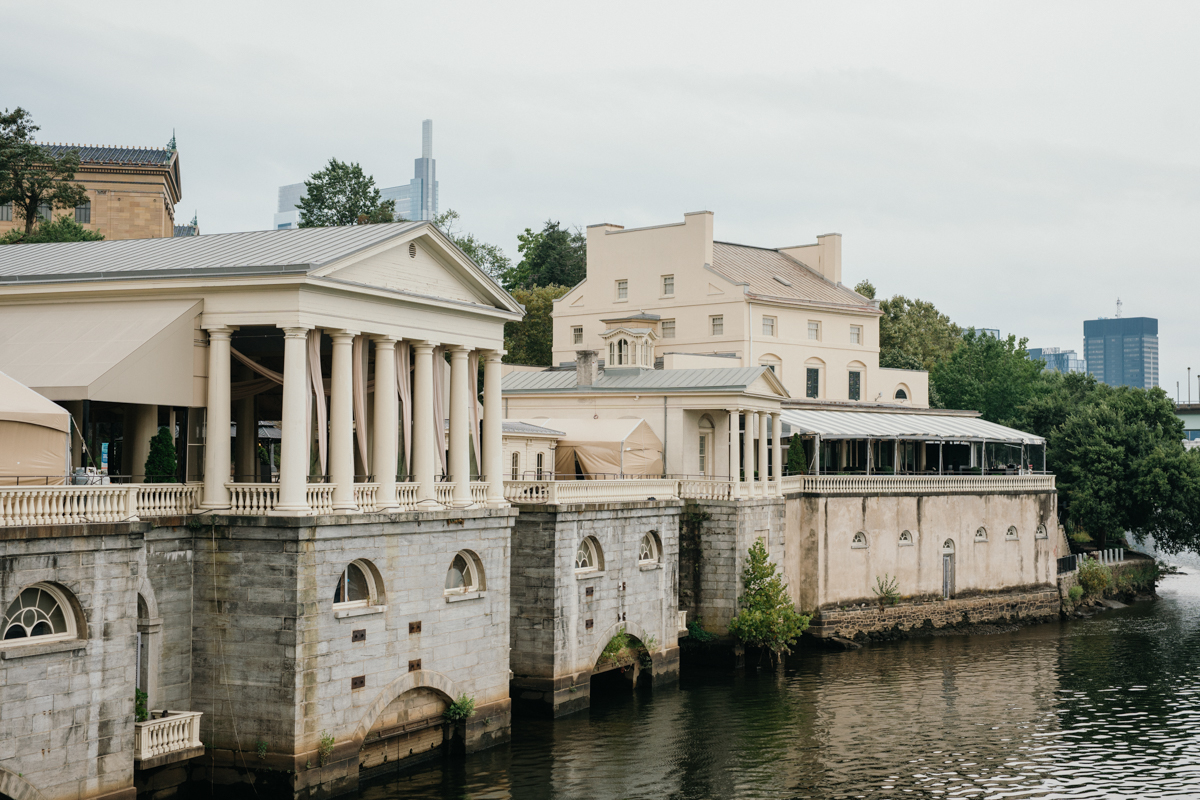
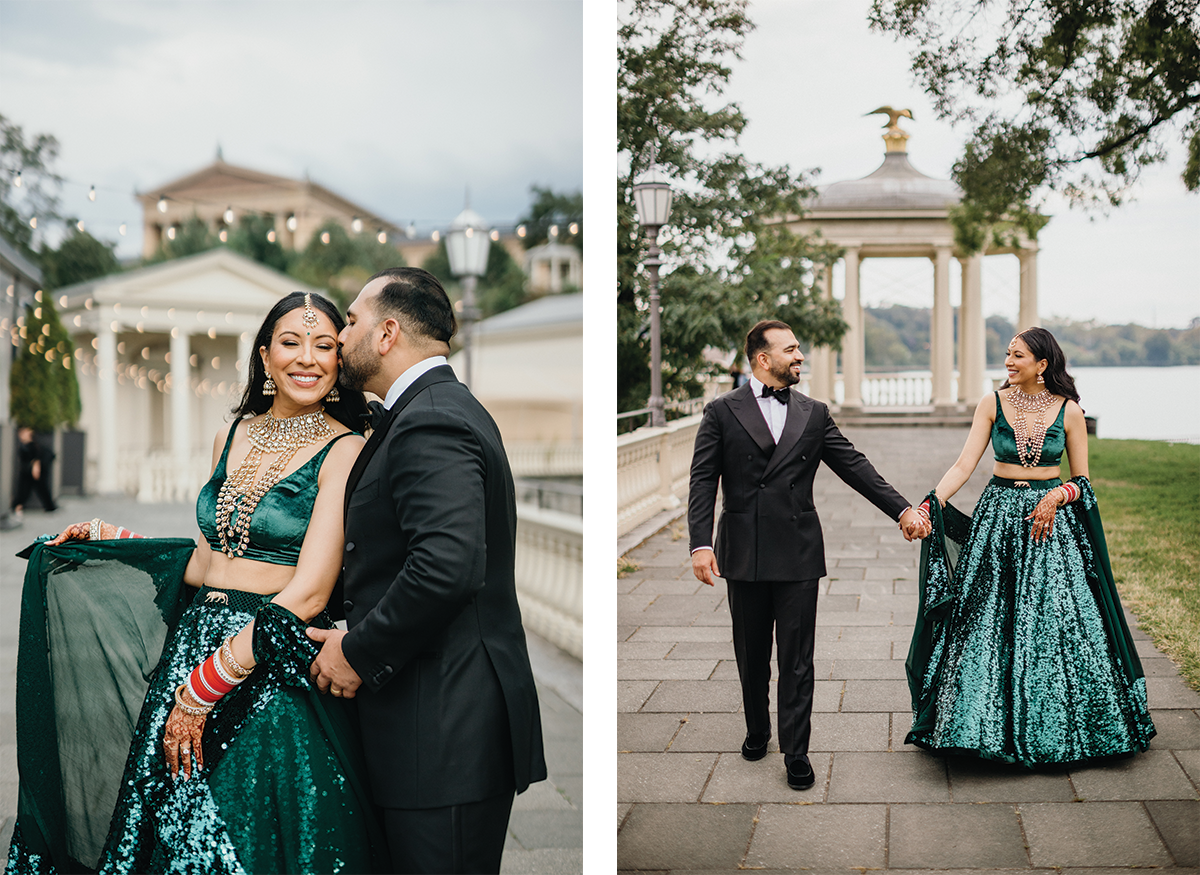
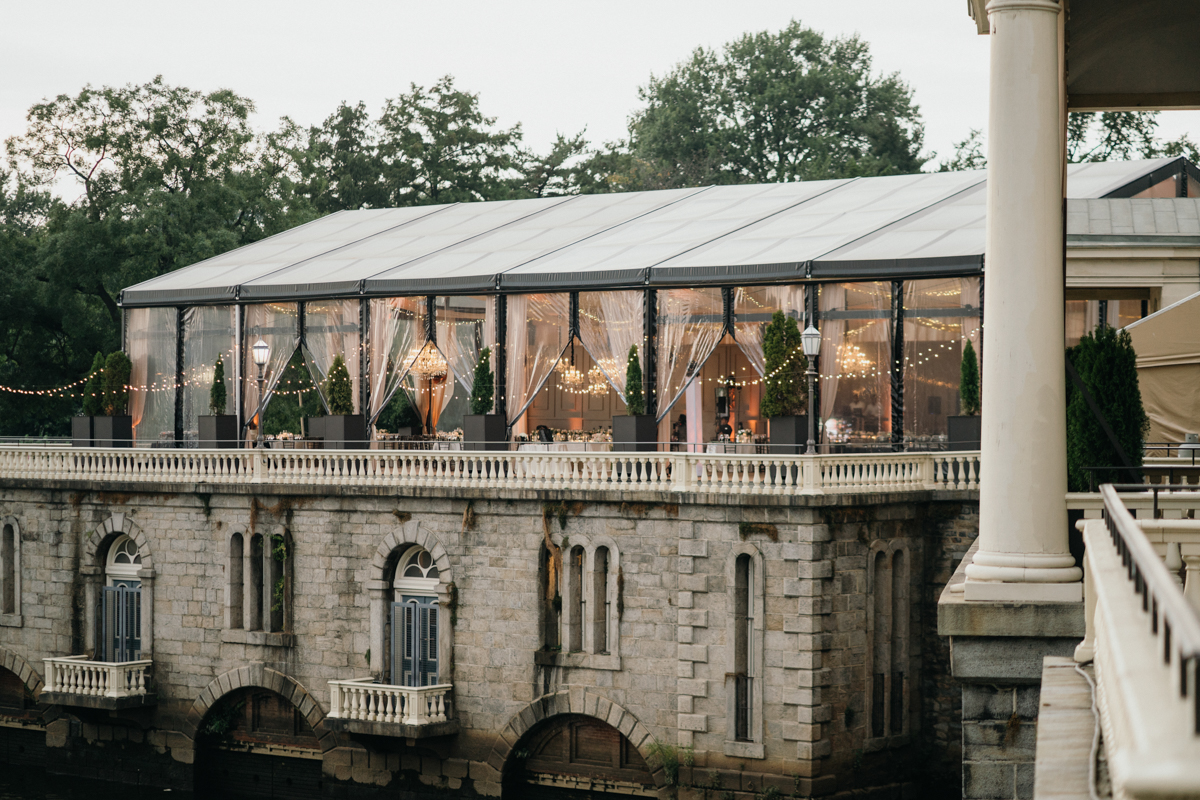
Fairmount Water Works brings in that Roman, old-world influence. Stone columns line the space, the river runs just beyond, and the Art Museum sits in the background. It feels architectural but still open. As the light shifts over the water, the whole space changes with it, which makes the transition from ceremony into the evening feel really natural. Marissa and Mike draped the space in soft white fabric that moved with the breeze. It gave the reception a luxurious, old-world feel, like stepping into a palace along the water.
.
Check out more of Nikita and Neil’s wedding weekend in Philadelphia here!
.

.
Barnes Foundation
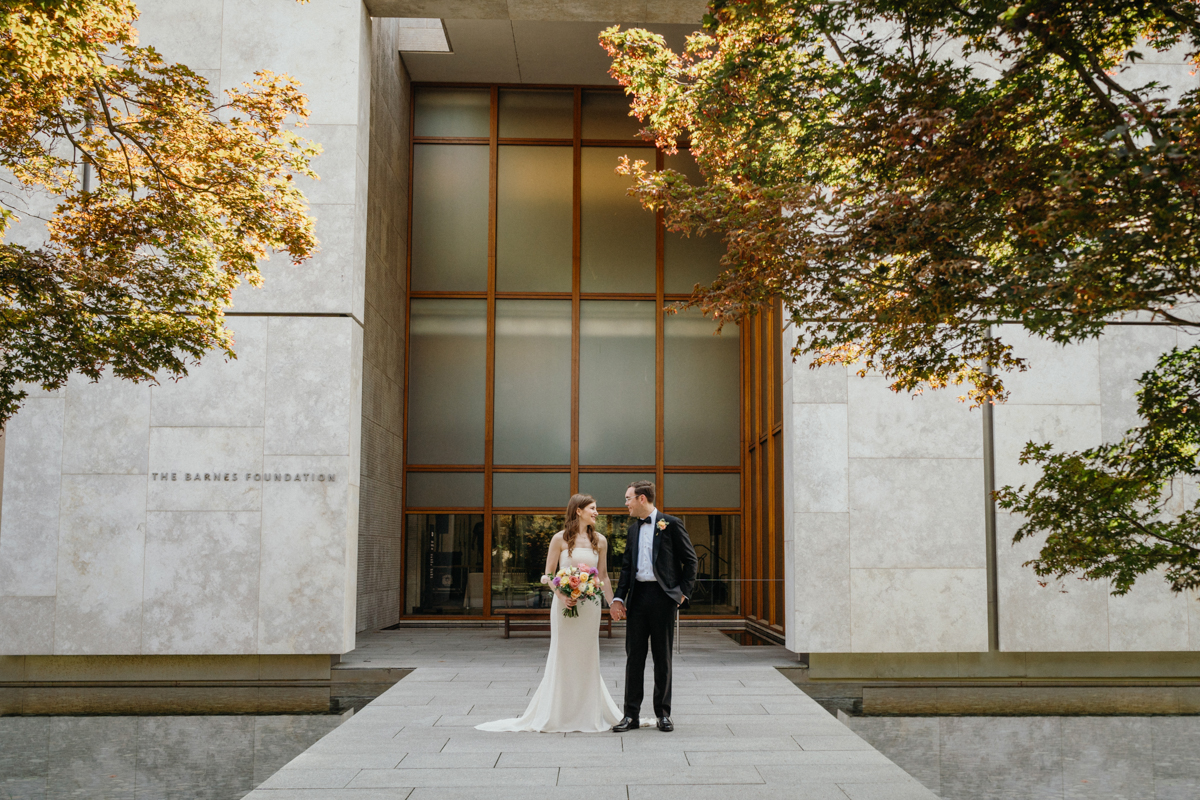
The Barnes Foundation leans modern European with a strong art history backbone. Designed as a “gallery in a garden,” the space takes cues from the original 1925 French limestone building in Merion and reworks it into something more contemporary. The collection itself is rooted in Impressionist and Post-Impressionist work, with artists like Renoir, Cézanne, and Matisse shaping its identity. That influence shows up in the structure and materials. Warm stone, clean lines. It feels intentional, refined, and closely tied to European design without feeling overly traditional.
.


.